

- /
Complete Guide to Selling a House in Florida in 2026

Complete Guide to Selling a House in Florida in 2026
Selling a house may seem simple: take photographs, list it, and wait for an offer. A successful sale, however, requires much more. The initial price, presentation, insurance, roof condition, repairs, buyer financing, and negotiations can all affect both your final proceeds and the amount of time your property remains on the market.
One wrong decision at the beginning can cost you weeks of market exposure, potential buyers, and thousands of dollars. That is why it is important to have a complete strategy before listing your property.
This guide explains the key stages of selling a house in Florida and the decisions you should evaluate before getting started.
Are you considering selling? Find out what your property may be worth and request a confidential valuation, including an estimate of what you may receive after your mortgage balance and approximate selling expenses. If you prefer to speak directly with our team, request a free consultation.
1. Understand Your Property's Current Market Value
A home's price should not be based solely on an automated online estimate, the price of another property in the neighborhood, or the amount the owner hopes to receive.
To prepare an accurate comparative market analysis, we evaluate factors such as:
-
Similar properties that recently sold.
-
Properties currently competing with yours.
-
Listings that expired, were withdrawn, or failed to sell.
-
The home's condition, size, layout, and improvements.
-
The age and condition of the roof, air-conditioning system, and other major components.
-
The property's location within the community.
-
HOA fees, restrictions, and amenities.
-
The types of buyers and financing commonly used in the area.
-
Recent changes in inventory and buyer demand.
The objective is not simply to recommend the highest possible price. It is to identify a range that positions the property competitively and supports its value during negotiations and the appraisal.
An overpriced home can lose the period of highest buyer interest, accumulate days on the market, and eventually require price reductions. A well-positioned home can attract more interest and create stronger negotiating opportunities.
2. Estimate How Much You May Actually Receive
The sale price is not the same as the amount the owner receives at closing. Before accepting an offer, it is helpful to estimate the potential expenses and net proceeds.
Depending on the property and transaction, these may include:
-
The remaining mortgage balance.
-
Prorated property taxes and adjustments.
-
Title and closing costs.
-
Commissions agreed upon in the applicable contracts.
-
HOA estoppel fees, assessments, or outstanding balances.
-
Negotiated repairs or credits.
-
Liens, open permits, or other obligations.
-
Seller concessions requested by the buyer.
Every transaction is different. A preliminary seller net sheet allows you to compare offers based on what they may actually leave you—not only the price shown on the first page.
3. Decide What to Prepare Before Listing
Not every home needs a complete renovation. In many cases, deep cleaning, decluttering, improving the lighting, and correcting visible maintenance issues can have a greater impact than completing expensive projects without a clear strategy.
Before investing money, separate potential improvements into three categories:
Issues That Could Prevent or Delay the Sale
These may include conditions that affect insurance, financing, or safety, such as active leaks, certain electrical problems, significant damage, or major systems that are not functioning.
Details That Influence the Buyer's Perception
Worn paint, odors, dirt, cluttered rooms, neglected landscaping, and small unfinished repairs can cause buyers to perceive the property as being less maintained than it actually is.
Improvements That May Not Recover Their Cost
Remodeling a kitchen or bathroom immediately before selling does not always produce an equivalent return. Before spending money, compare the cost of the improvement with its potential effect on the price, time on the market, and target buyer pool.
The best recommendation usually comes after visiting the property and reviewing how it compares with the homes currently available.
4. Prepare the Marketing Before Going Live
The first days on the market are critical. Your property should enter the market with a complete and consistent presentation instead of being published first and corrected later.
A strong marketing strategy may include:
-
Professional photography.
-
Vertical video for social media.
-
A property tour or lifestyle-focused video.
-
A description centered on meaningful buyer benefits.
-
Distribution through the MLS and major real estate websites.
-
Promotion to a network of buyers and real estate professionals.
-
Digital campaigns when appropriate.
-
An open house and structured follow-up.
-
Regular communication with the seller about results and possible adjustments.
Exposure matters, but reaching the right buyer with the right message matters just as much. A family home, a luxury residence, and an investment opportunity should not be marketed in the same way.
5. Evaluate the Entire Offer
The offer with the highest price is not always the strongest offer.
When comparing proposals, evaluate:
-
The offered price.
-
The type of financing or whether it is a cash purchase.
-
The amount of the escrow deposit.
-
The inspection contingency.
-
The financing contingency.
-
The possibility of an appraisal gap.
-
Requested credits or seller concessions.
-
The proposed closing date.
-
The flexibility the seller needs.
-
The strength of the buyer's preapproval and supporting documentation.
A slightly lower offer may provide greater certainty or higher net proceeds if it includes fewer credits, stronger terms, or a lower risk of cancellation.
6. Prepare for the Home Inspection
A home inspection does not automatically mean the seller must repair everything identified in the report. The report may include anything from minor maintenance items to conditions that affect insurance or financing.
After the inspection, the buyer may:
-
Continue without requesting changes.
-
Request repairs.
-
Ask for a credit.
-
Attempt to renegotiate the price.
-
Exercise rights established in the contract.
The response should be evaluated based on the contract, the seriousness of the findings, current market conditions, and the alternatives available. Responding emotionally or without considering the complete impact can weaken the seller's position.
7. Understand the Appraisal and Buyer Financing
When the buyer uses financing, the lender typically orders an appraisal. The appraiser develops an opinion of value for the financial institution. An appraisal is not another home inspection, nor does it guarantee that the contract price will be supported.
If the appraised value is lower than the agreed-upon price, the available options depend on the contract and may include:
-
The buyer paying the difference.
-
Renegotiating the price.
-
The parties sharing part of the difference.
-
Providing relevant information for a reconsideration of value.
-
Applying the corresponding provisions of the contract.
The best defense begins before the appraisal: a supportable price, accurate property information, and documentation of relevant improvements.
8. Address Insurance, HOA, and Title Matters Early
In Florida, certain issues can delay a transaction even when a buyer is ready and willing to close. It is wise to investigate the following matters early:
-
The age and condition of the roof.
-
Potential difficulties obtaining homeowners insurance.
-
Open permits.
-
Liens or title defects.
-
Outstanding HOA balances or violations.
-
The HOA's application and approval timeline.
-
Documents the seller must provide.
Waiting until the final days to discover a problem limits the available solutions. Early preparation allows you to decide whether the issue should be resolved before listing or managed strategically during the transaction.
9. Reach the Closing Table Without Surprises
Before closing, the title work, mortgage payoff, documents, adjustments, and signing must be coordinated. The buyer will also typically complete a final walkthrough to confirm the property's condition.
The seller should confirm in advance:
-
Which items will remain with the property.
-
Which belongings must be removed.
-
When possession will be delivered.
-
How and when the seller will sign.
-
Which documents and identification will be required.
-
How the proceeds will be received securely.
Never change wire-transfer instructions based only on an email. Verify all financial information using a known phone number and a trusted communication channel.
How Long Does It Take to Sell a House in Florida?
There is no single answer. The timeline depends on the city, community, price range, condition, available inventory, buyer demand, initial strategy, and the terms of the offers received.
It is also important to distinguish between:
-
The number of days needed to receive and accept an offer.
-
The inspection and financing periods.
-
The time required by the title company or association.
-
The final closing date.
Promising that every property will sell within a specific number of days would not be responsible. It is possible, however, to establish a plan with objectives, performance metrics, and specific times to evaluate the results.
Should I Sell Now or Wait?
The answer depends on both the market and your personal circumstances. Before deciding, consider:
-
Why you want to sell.
-
When you need to move.
-
How much you currently owe.
-
How much you need to receive.
-
Whether you plan to purchase another property.
-
Which repairs or unresolved issues exist.
-
How much it costs to maintain the home each month.
In some situations, waiting may be beneficial. In others, the ongoing costs of the mortgage, maintenance, property taxes, insurance, and potential repairs may outweigh the benefits of postponing the sale.
Request a Personalized Plan to Sell Your Property
Selling a house involves much more than placing it in the MLS. It requires protecting your position from the initial pricing strategy through the inspection, appraisal, and closing.
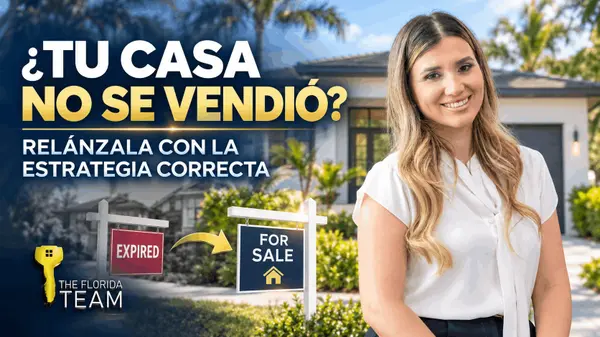
I am Laura Rojas, REALTOR® and Mortgage Loan Originator, CEO and Team Leader of The Florida Team by LPT Realty. My team and I combine experience in sales, negotiation, marketing, and financing to help homeowners make informed decisions with clarity and confidence.
We can prepare:
-
A personalized analysis of your property's market value.
-
A review of comparable properties.
-
A preliminary estimate of your net proceeds.
-
Recommendations regarding preparation and repairs.
-
A pricing and marketing strategy.
Would you like to know what your property may sell for and how much you might actually receive? Enter your property address and request a free home valuation. It is confidential and there is no obligation.
Would You Prefer to Speak With Us Directly?
Laura Rojas, REALTOR®
Mortgage Loan Originator | NMLS 2619252
CEO and Team Leader — The Florida Team by LPT Realty
Phone: (786) 574-3005
Email: laura@theflteam.com
Website: laurarojasrealtor.com
Short Mid-Article CTA
Understand Your Options Before Investing in Repairs
Send us your property address. We will evaluate its potential value, current competition, and which improvements could actually help the sale.
Button: Request My Free Home Valuation
Recommended Form Fields
-
Property address
-
First and last name
-
Phone number
-
Email address
-
When are you considering selling?
-
What concerns you most about the sale?
Suggested Alt Text for the Featured Image
Laura Rojas explains how to sell a house in Florida in 2026
Categories
Recent Posts









${companyName}
Phone